Tiny Roots
Nourishing Families Through the First 1,001 Days of a Child’s Life
Product design
Product design
overview
Tiny Roots is a subscription-based food delivery service designed to help new parents make sustainable and informed nutrition choices during the crucial first 1,001 days — from conception to a child’s second birthday. This period is foundational for lifelong health, development, and well-being. Tiny Roots seeks to tackle systemic health and sustainability challenges by empowering families to connect nutrition education with everyday habits that lead to lasting, positive change.
Company
Independent Project
My Role
My role involves conducting interview, synthesizing research into clear insights & strategy, developing the visual systems, and designing prototype for the service experience.
Background
problem SPace
The food system is not designed to support individuals in making choices that are good for their health or for the planet
The modern food system is complex and lacking transparency, leaving consumers disconnected from where food comes from and how it is produced. In the UK, this disconnect has led to:
Unhealthy diets shaped by the food environment
2/3rds of the average UK shopping basket is processed or ultra-processed, while healthier and more sustainable options remain less affordable.
Poor health outcomes
1 in 4 adults are obese and 4 million people live with diabetes, 90% of which is Type 2.
Significant environmental impact
Food production and waste contributes approximately 26% of global greenhouse gas (GHG) emissions.
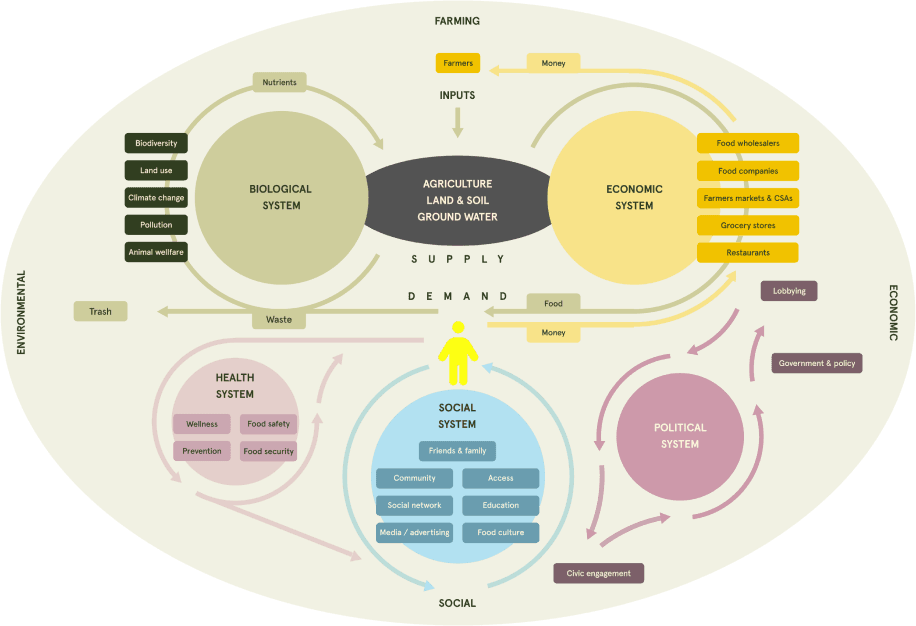
Food System Overview
Project aim
Design interventions that empower people to make informed, healthy, and sustainable dietary decisions
While these challenges appear systemic, our project focuses on individual-level impact. Through research, we aim to understand people’s motivations and needs around their dietary choices, in order to design interventions that empower them to make informed, healthy, and sustainable dietary decisions and ultimately foster long-term behavior change.
Research
Insights
Intervention Points
Pregnancy as a tipping point
—the first 1,001 days of child development, from pregnancy until a child turns 2
Through our primary research, we found that people are not likely to make sustained dietary changes without a “tipping point,” such as a health event or significant lifestyle change.
We discovered that pregnancy is a “tipping point” that commonly leads mothers to make lifestyle changes. Many view pregnancy as one of life’s powerful teachable moments—it’s a naturally occurring life event during which the individual is receptive to making positive, risk-reducing, health-affirming choices. The transition to parenthood, through pregnancy and the arrival of a first child, is a major life event that often reshapes values, priorities, and identities.
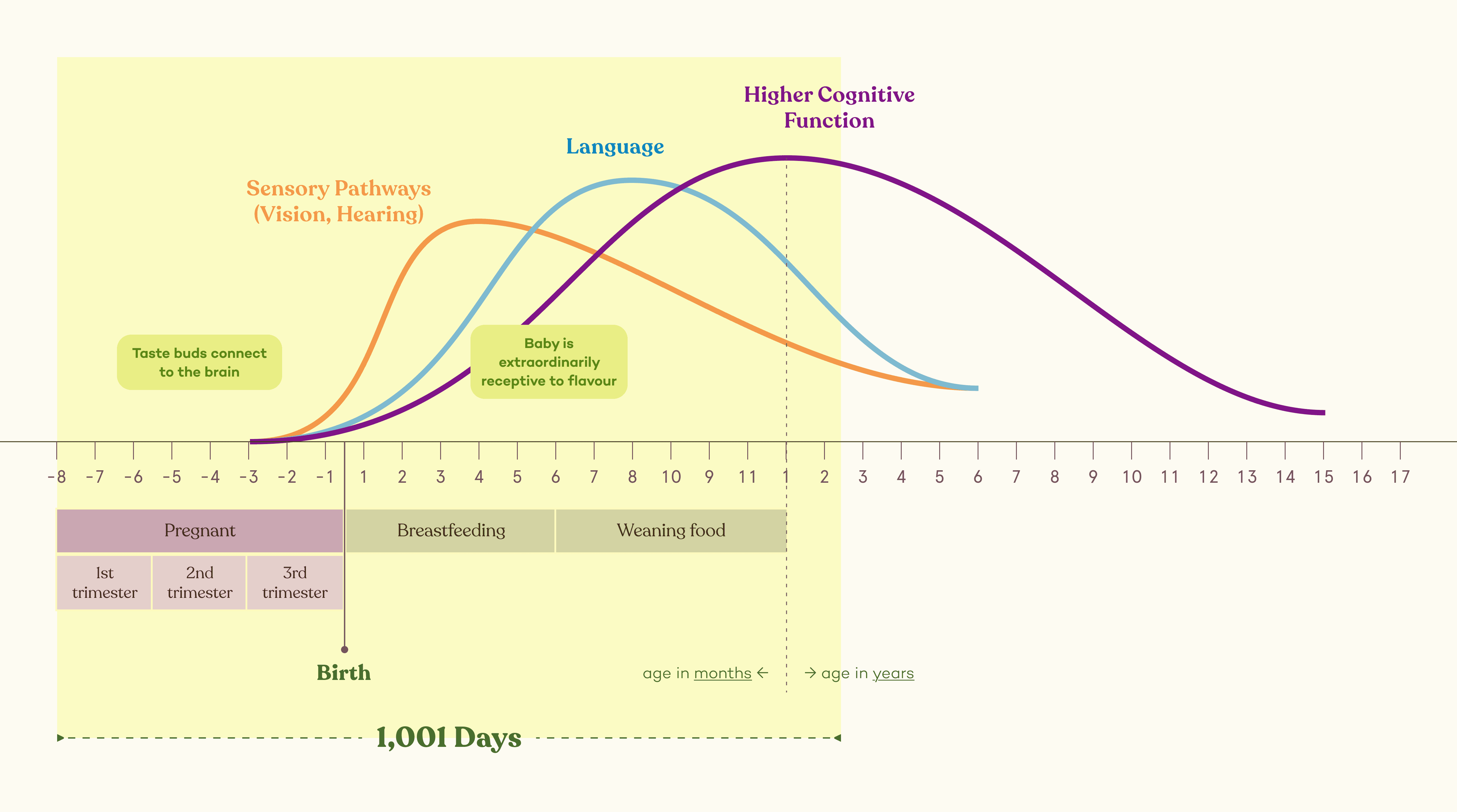
1,001 days: a critical window shaping a child’s lifelong health and taste preferences.
Graph illustration is based on Harvard's guide to early childhood development.
“A person’s food ‘likes’ at age two generally predict their tastes at twenty.”
―Bee Wilson, author of 'First Bite: How We Learn to Eat'
During this period, a mother’s lifestyle and diet play a major role in shaping the baby’s long-term health and wellbeing. Good nutrition during this time supports brain development, physical growth, and a strong immune system.
Babies depend entirely on the nutrients their mother consumes during pregnancy and early breastfeeding. A balanced diet with enough protein, vitamins, and minerals helps organs develop properly and reduces the risk of issues such as low birth weight, early birth, and developmental delays.
This period is also when a child’s eating habits begin to form. Exposure to a variety of healthy foods early on helps shape taste preferences and influences lifelong eating behaviors, metabolism, and the risk of obesity or chronic disease later in life.
Systemic relationShip
With food
Our relationship with food goes beyond personal taste
The Social-Ecological Model (SEM) shows that food choices are influenced by many connected levels, not just individual choice. It is shaped by culture, habits, and our surroundings—making healthy eating complex.
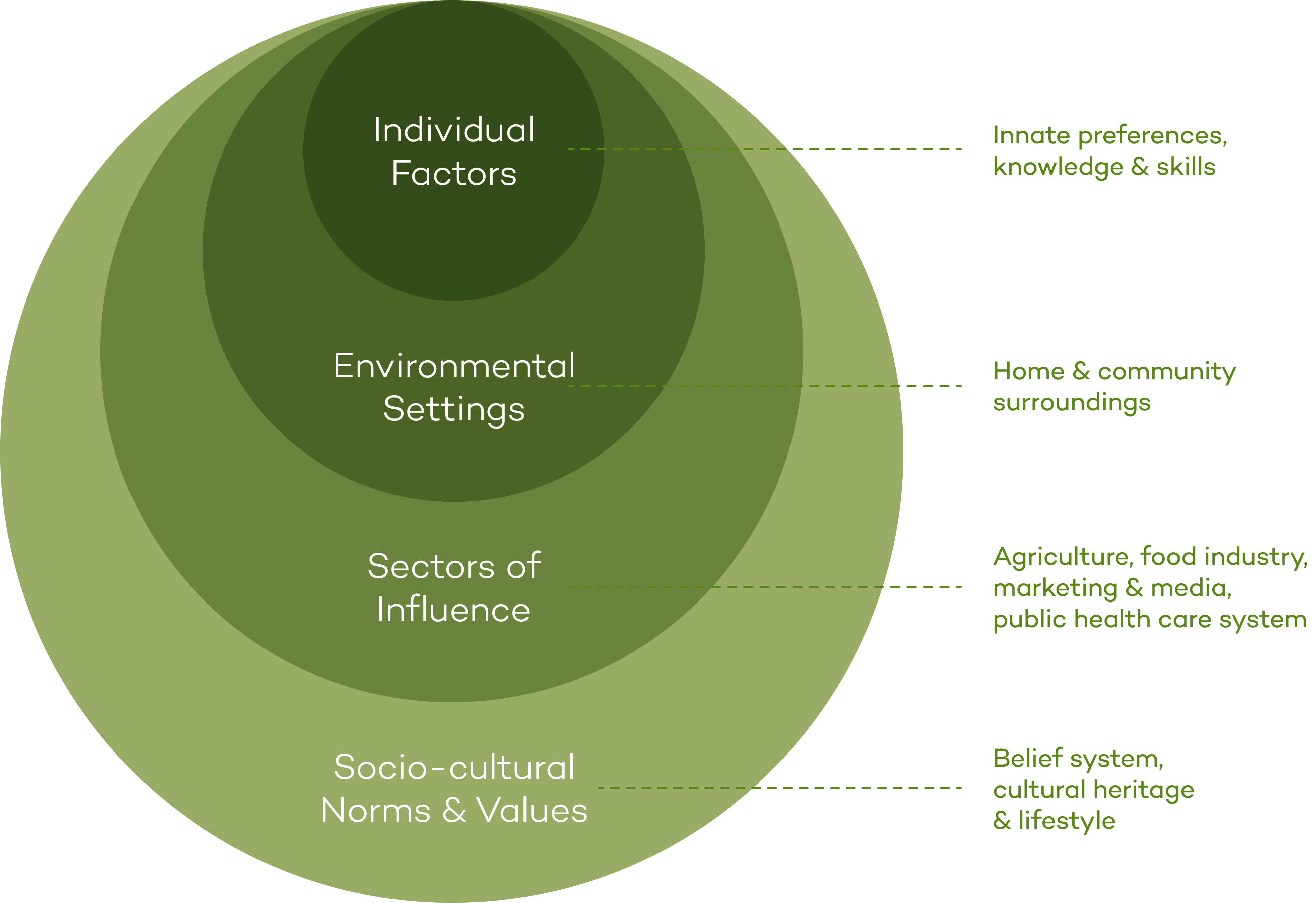
Social-Ecological Model (SEM) for Food Behavior
Strategy
& Solution
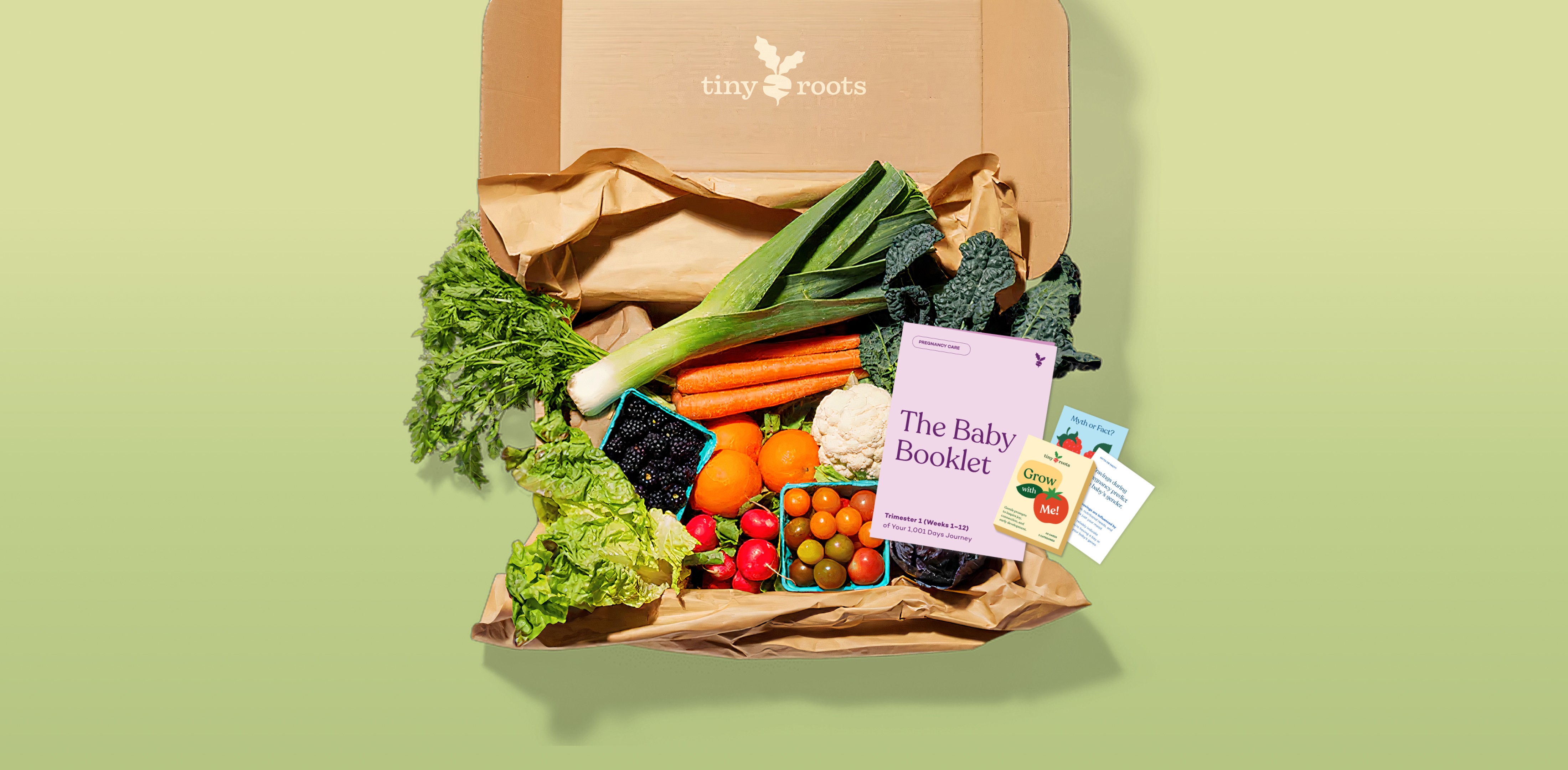
Tiny Roots is a food delivery service designed to help new parents make healthier and more sustainable nutrition choices during the critical first 1,001 days of a child’s life.
Tiny Roots uses pregnancy as a tipping point for long-term behaviour change. It responds to systemic health and sustainability challenges by recognising that meaningful behavioral change often begins with the right moment and support. Tiny Roots offers four types of boxes for each phase to support three key audiences:
Key Audiences
Mothers — supporting the primary caregiver
Babies — providing nutrition for healthy growth and development
Partners — helping them support mothers and stay connected throughout the journey
Journey phase
Pregnancy Care
Newborn & Mama care
Starting Solid
Integrated Meals
Box Package based on Journey Phase

Pregnancy Care
month -9 to 0
Foods tailored to each trimester’s changing nutritional needs. Supports baby's growth and prepared mother's body for birth.
1st Trimester
2nd Trimester
3rd Trimester
Newborn & Mama Care
Month 0–6
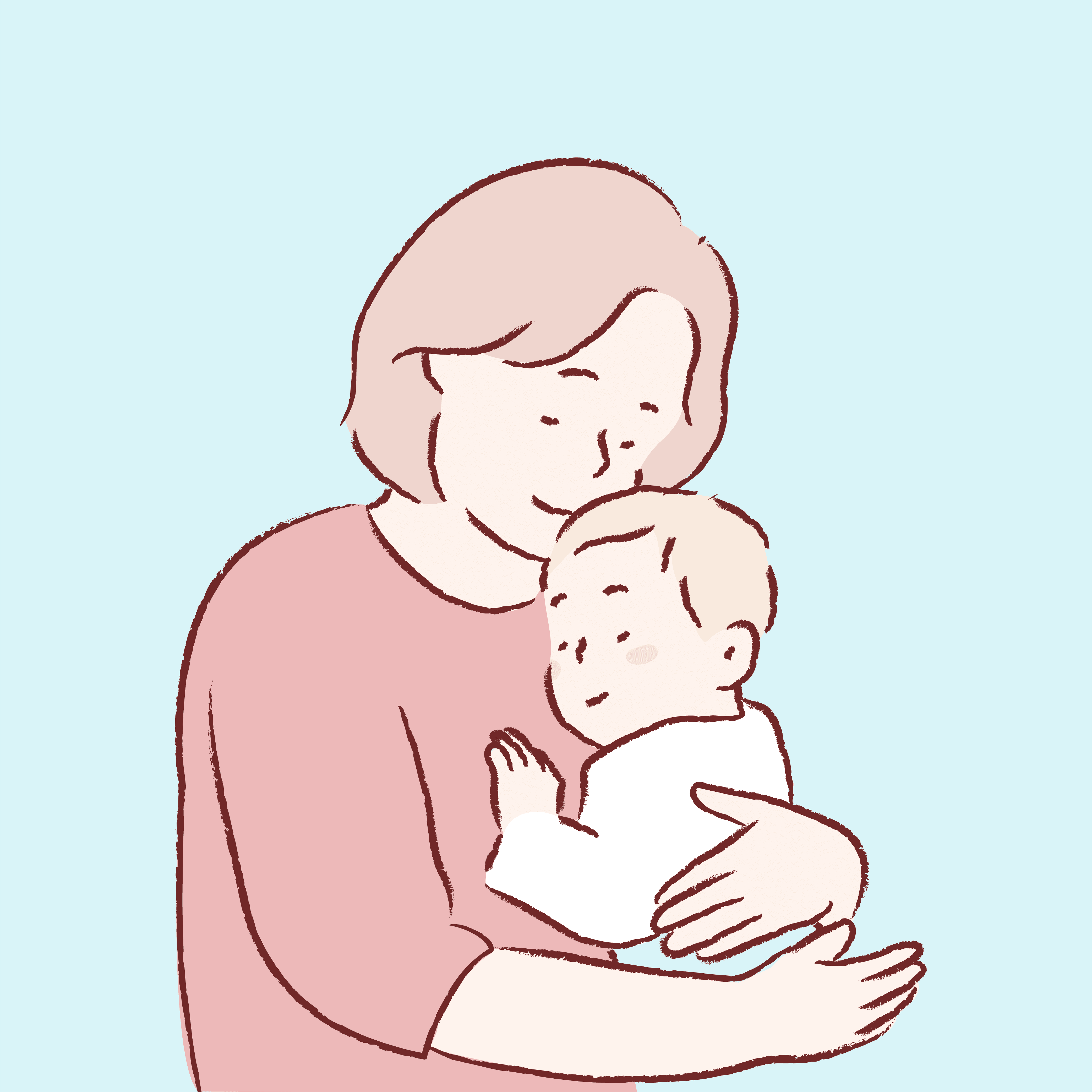
Meals to support mother’s recovery and breastfeeding. Nourishing both the mother and you baby during the early months.
40-days post recovery
breastfeeding
Starting Solid
Month 6–12
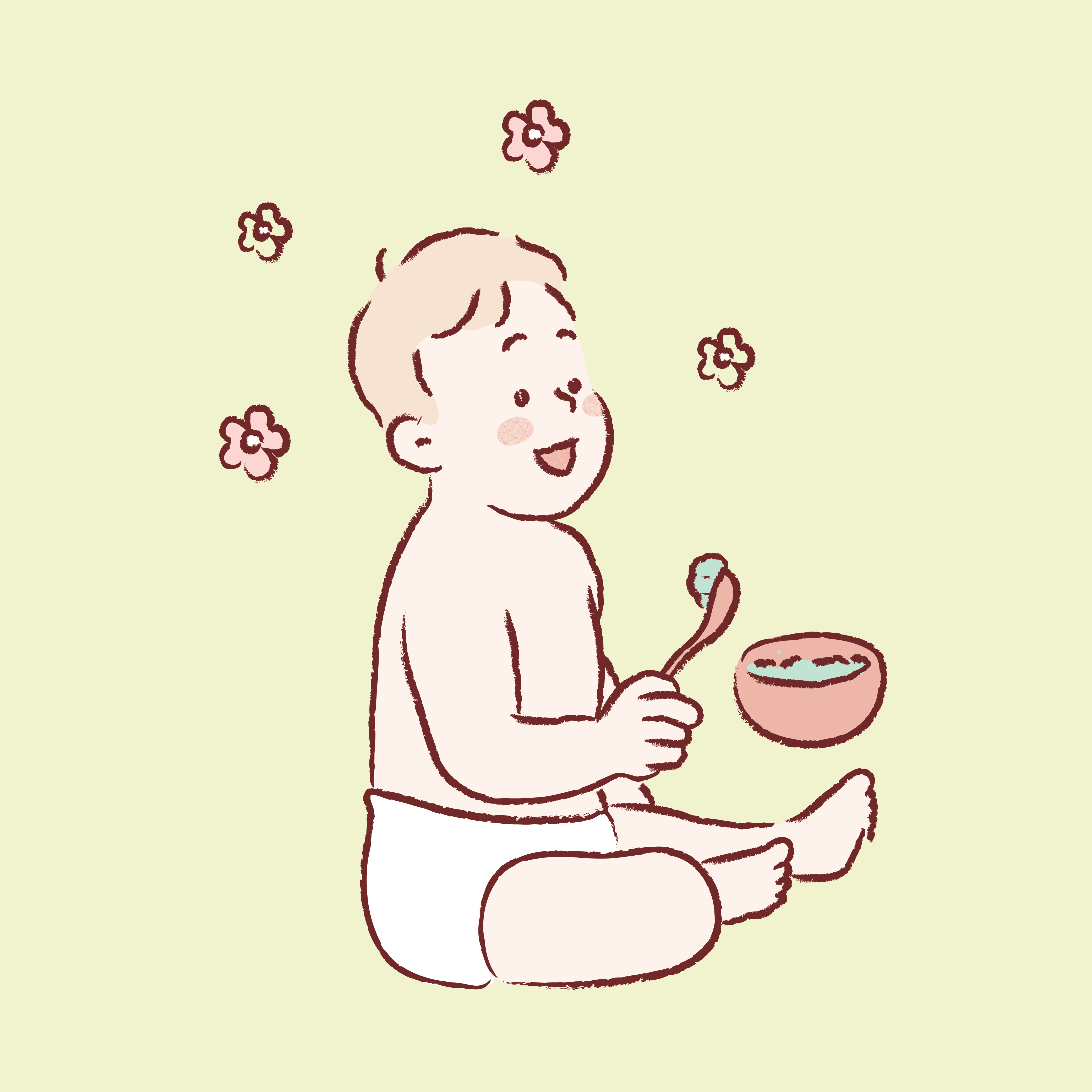
Introduces new tastes and textures to help your baby learn to eat. Starts with smooth purées and moves to soft lumps and finger foods.
first taste
more taste & texture
lumps & chunks

Integrated Meals
Month 12–24
Supports the transition to family meals by encouraging toddler’s independence while providing balanced nutrition for their growing body.
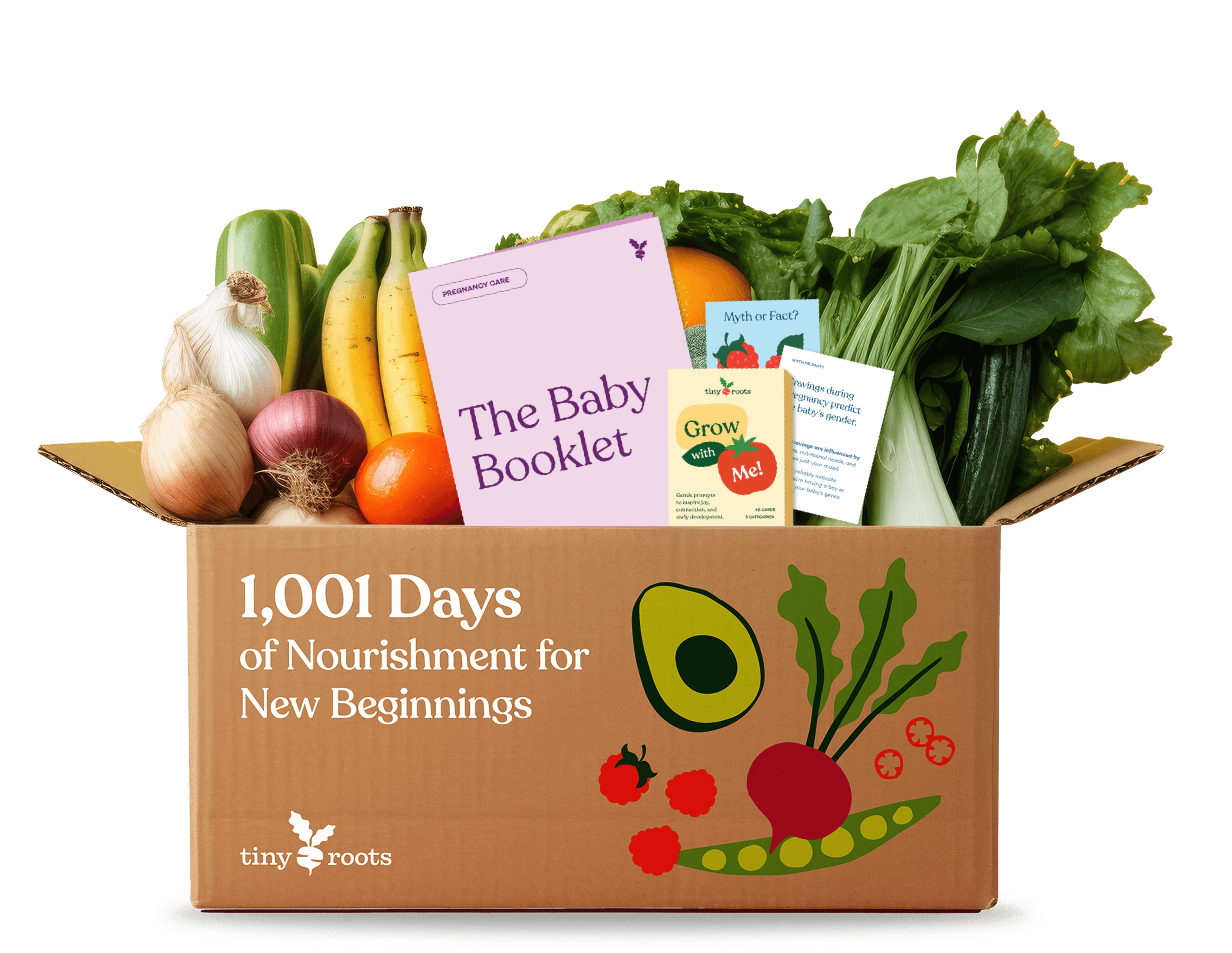
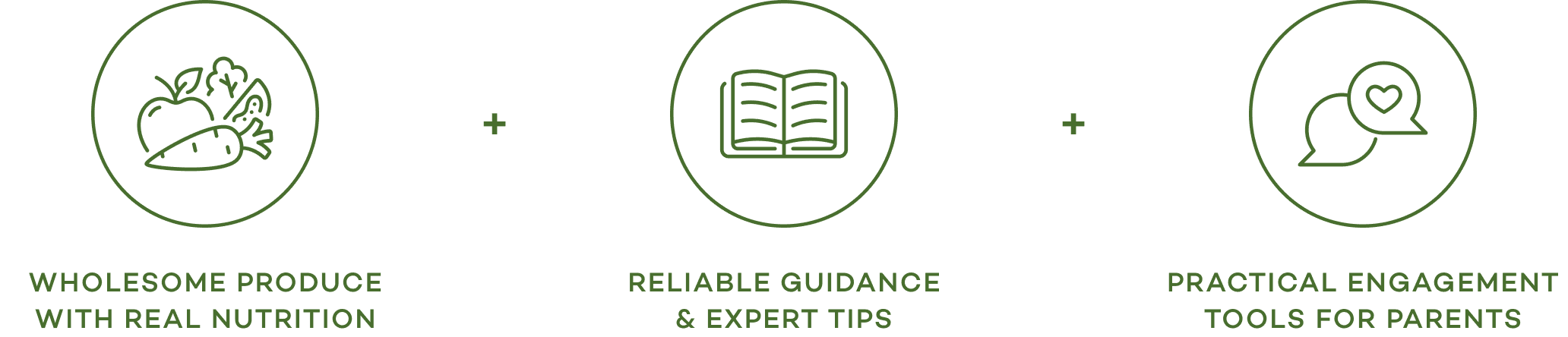
Each box contains 3 elements
that were curated based on the journey:
*Illustration below highlighting the “1st Trimester” package.
element 1
Nutritional Fresh Produce
Organic, seasonal produce grown sustainably and sourced from local farms, thoughtfully curated for each stage of a family’s journey. It nourishes the whole family with food that is both healthy and enjoyable, while gently introducing babies to a wide variety of whole foods.
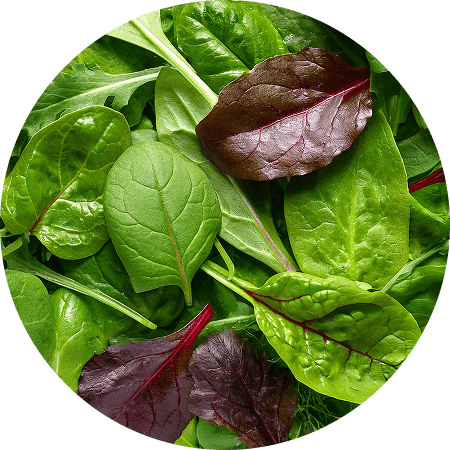
Leafy Greens
Folate, Iron, Vitamin C, Fiber

Lean Meat
Iron & Protein
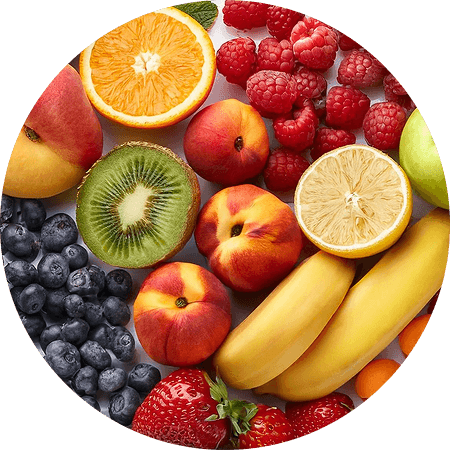
Berries & Citrus
Vitamin B6, Vitamin C, Potassium
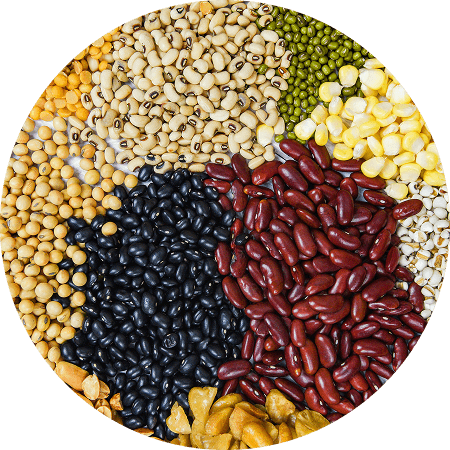
Whole Grains
Fiber
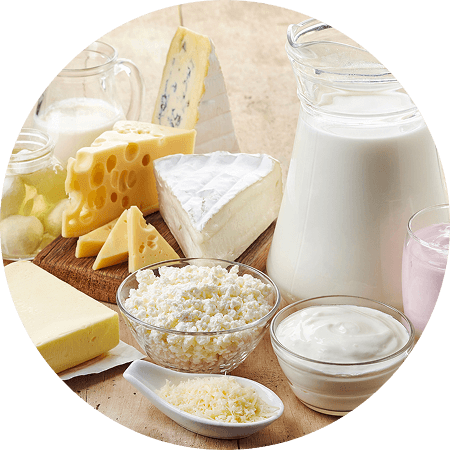
Dairy Products
Calcium
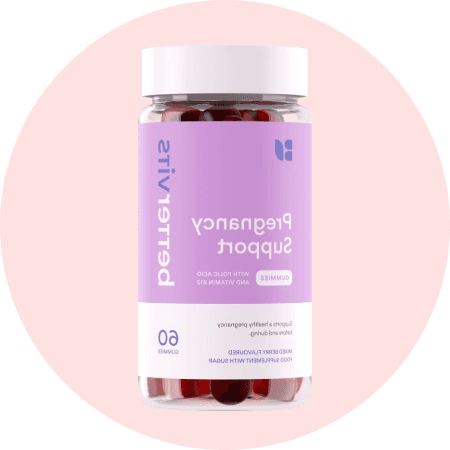
Supplements
Folic Acid
element 2
Educational Material
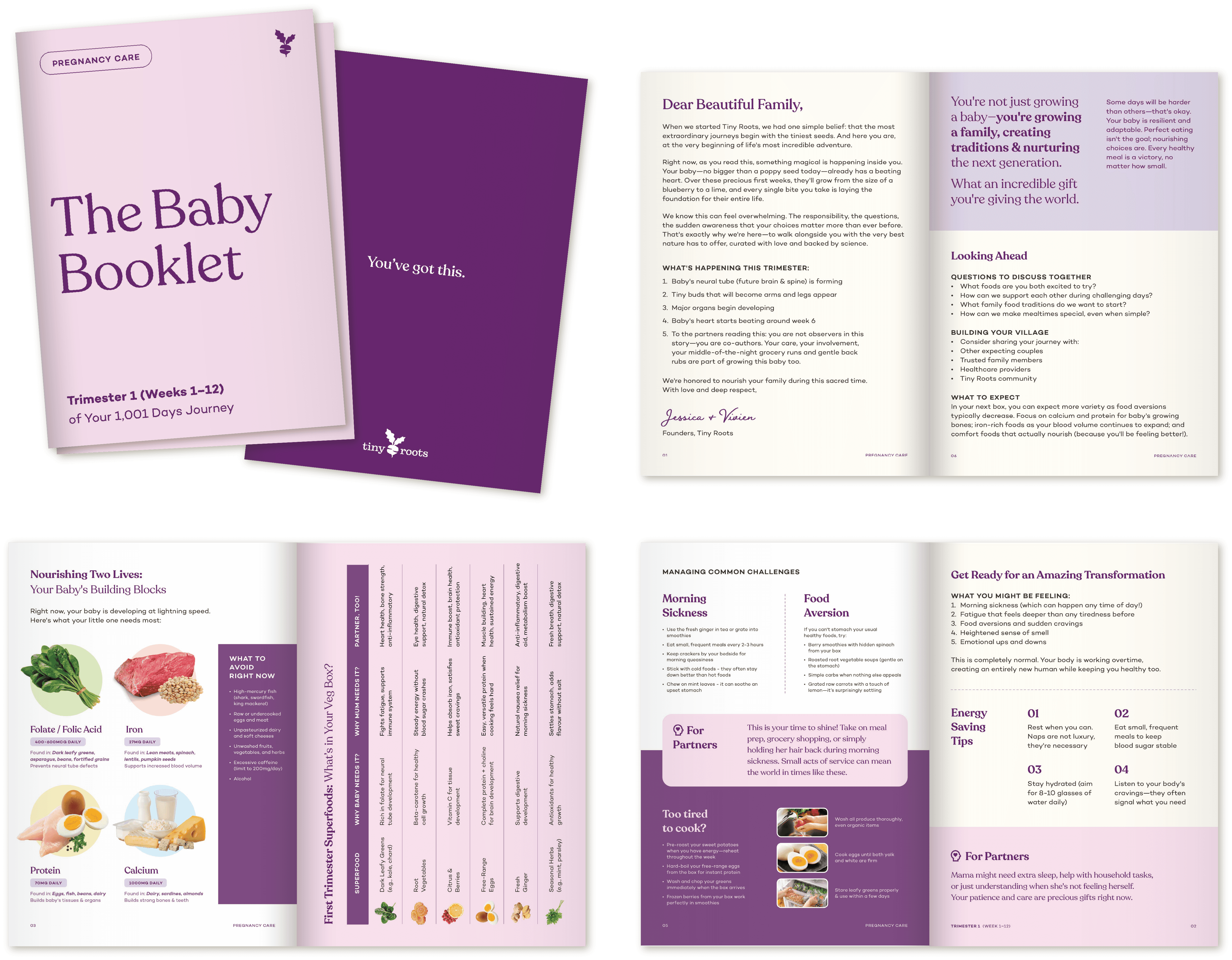
Reliable guidance on nutrition, pregnancy, and child development, alongside simple cooking tips, to support parents when receiving the package and help them feel confident about the food their family eats and needs.
The booklet below is an example of the information families receive in their first trimester box. It includes what to expect during pregnancy, what to eat and avoid, essential ingredients for the first trimester, common pregnancy symptoms, and tips to help partners stay engaged during this period.
element 3
Engagement Tools
Materials designed to nurture connection, confidence, and care across the first 1,001 days of parenthood, from conversation cards to guided journal diaries.
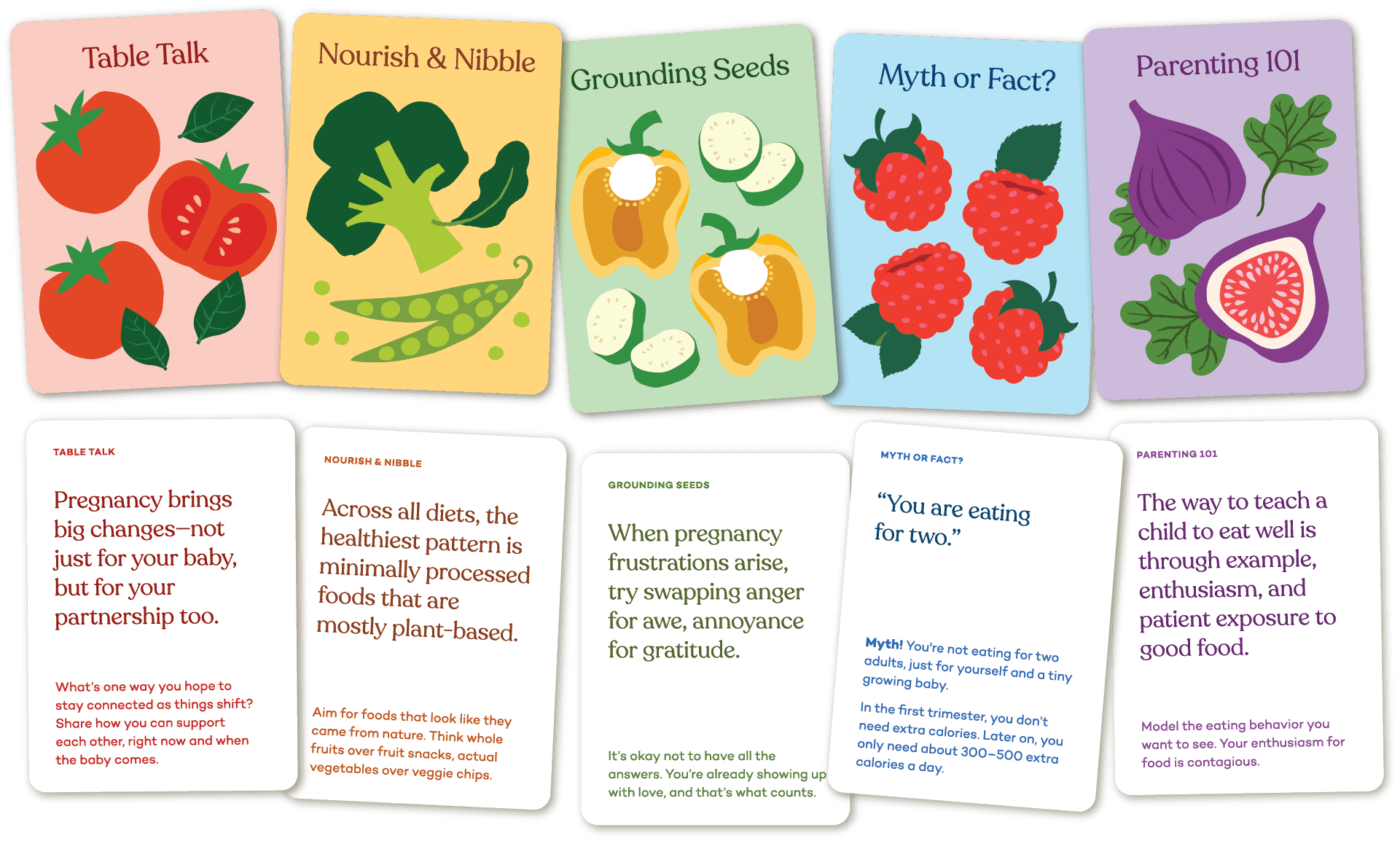
One example of these engagement tools is a card game designed to help new parents prepare for the transition into parenthood. The game is divided into five types of cards:
Table Talk – conversation prompts
Nourish & Nibble – food and nutrition
Grounding Seeds – emotional and mental support
Myths & Facts – clarifying misinformation
Parenting 101 – essential parenting knowledge